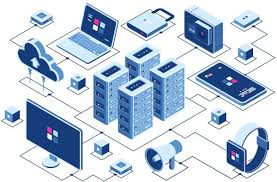
Optimizing IT Infrastructure for Maximum Efficiency
A well-optimized IT infrastructure is the backbone of any successful modern business. Companies rely heavily on technology for day-to-day operations, so having systems that are reliable, scalable, and efficient is crucial. Optimizing IT infrastructure involves assessing current systems, identifying bottlenecks, and implementing solutions that improve performance. Key steps include upgrading hardware, streamlining network architecture, and utilizing virtualization technologies to reduce costs and increase flexibility. Monitoring tools help detect performance issues before they impact business operations, while automated workflows improve productivity and minimize manual errors. Additionally, proper backup solutions and disaster recovery planning ensure business continuity in the event of unforeseen failures or cyber threats. Optimized infrastructure not only reduces downtime but also enhances user experience and operational efficiency. By investing in robust IT systems, businesses can support growth, handle increased workloads, and adapt to evolving technological demands. A proactive approach to IT management ensures that your systems remain agile, secure, and aligned with long-term strategic goals, providing a competitive edge in the digital economy.